

Promotional Products
Best Strategies for Using Promotional Items at Exhibitions & Events
May
Events and trade shows remain one of the most effective ways to connect directly with potential customers. However, many businesses still make the mistake of handing out generic promotional products without a clear strategy behind them. If your promotional items are not memorable, relevant, or connected to your business goals, they quickly become wasted marketing spend.
The right promotional product strategy helps your brand attract attention, engage visitors, and remain memorable long after the event finishes. Businesses that approach exhibitions strategically often see stronger lead generation, higher engagement, and better return on investment.
Why Are Promotional Items Important at Exhibitions & Events?
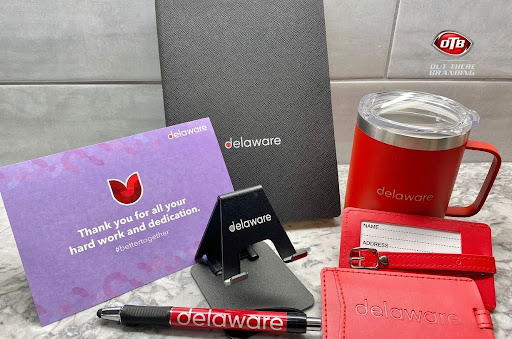
Promotional items create a physical connection between your brand and your audience. Unlike digital advertising that disappears with a swipe, branded merchandise stays with the customer after the event. An effective promotional product can reinforce brand recognition for weeks or even months. The right promotional product is dependent on your brand, goals and audience, however examples include a branded tech accessory, reusable drinkware, or display item. The goal is to create a lasting reminder of your business.
Businesses attending trade shows also operate in highly competitive environments. A well-planned promotional product strategy helps you stand out from nearby exhibitors during and after the event, while encouraging visitors to engage with your team.
How Do You Choose the Right Promotional Products?
The best promotional products are those that align with your audience and business objectives. Instead of choosing low-cost giveaways simply to maximise quantity, focus on selecting items that deliver value and are relevant to your audience.
Before selecting products, ask yourself:
- Who is the target audience?
- What action do you want visitors to take?
- What impression should your brand leave behind?
For example, a premium corporate brand may benefit from high-quality presentation items or branded technology products, while a local fitness-based business may achieve stronger engagement with a branded gym towel. The most successful exhibition strategies always use different promotional items for different audience types or business goals. Additionally, visitors who are casually browsing may receive smaller branded items, while qualified leads can receive more premium products that strengthen the relationship and support better conversations.
What Makes Promotional Products More Memorable?
Relevance and usability are critical. Generic giveaways that have no connection to your brand or audience rarely create meaningful engagement. Professional promotional products that solve a problem or offer ongoing usefulness to your audience tend to deliver stronger results. Reusable products that are relevant to your audience often remain visible long after the exhibition ends, helping your brand recall and awareness.
Design also plays a major role. Clear branding, professional layouts, easy-to-read messaging, and deliberate colour choices help promotional products attract attention in crowded event spaces and support brand recall after the event. Businesses should also avoid overloading products with excessive text. Event attendees move quickly through exhibitions, so promotional messaging must be concise, immediately understandable and, most importantly, relevant to the audience you want to attract.
How Can You Use Promotional Items to Generate Leads?
Promotional items can serve different purposes at exhibitions and events. Some are designed to build brand awareness, some help with pre-qualification, some show appreciation, and some are used to support lead generation. The key is to be clear on the role the product is meant to play before choosing how to use it.
When lead generation is the goal, promotional products should do more than function as free giveaways. One effective approach is to create interaction before distributing more premium items. Businesses can encourage visitors to join a mailing list, book a consultation, scan a QR code, or enter a competition. This helps create stronger engagement while giving your team a better sense of who is genuinely interested.
Promotional products can also support a broader customer experience at the stand. A well chosen item, paired with the right conversation, can help break the ice, lower resistance, and make the interaction more memorable.
Why Does Placement and Presentation Matter?
Even the best promotional products can fail if they are poorly displayed. Strategic placement is essential for attracting attention.
Display banners, exhibition stands, branded table covers, and digital screens all contribute to creating a visually engaging exhibition stand. Businesses that invest in presentation often appear more professional and trustworthy to attendees. Positioning products where visitors can easily see and interact with them also improves engagement. For large exhibition displays open layouts generally create better visitor flow and stronger conversations.
How Can You Measure the Success of Promotional Items?
The success of promotional items should always be measured against the goal you had before the exhibition or event. Some businesses want to build brand awareness, some want to start conversations with a specific type of prospect, and others want to support follow up after the event. The right way to measure success depends on which of those outcomes you were aiming for.
That said, there are practical ways to assess performance. Depending on your objective, that might include:
- Leads generated
- Follow up meetings booked
- Customer enquiries
- Social engagement
- Post-event conversions
- Quality of conversations had on the stand.
Looking at these outcomes gives you a clearer understanding of return on investment and helps shape smarter decisions for future exhibitions and events.
When promotional items are selected with purpose and used as part of a broader event strategy, they become far more than giveaways. They become tools that support visibility, engagement, stronger relationships, and the specific commercial outcome you were trying to achieve.
Final Thoughts
Promotional items work best when they are part of a clear event marketing strategy. Choosing relevant, high-quality products can help your business attract attention, engage visitors, and leave a lasting impression with the right people after the event.
At Out There Branding, we help businesses develop effective exhibition strategies and choose the right promotional products to achieve the outcome they desire. Contact us to discuss your next exhibition or event.
FAQs
What are the best promotional items for trade shows?
The best promotional items for tradeshows are practical, useful, and relevant to your audience and what you’re trying to achieve.
How do promotional products help generate leads at events?
Promotional products attract visitors and encourage engagement through giveaways, QR codes, competitions, and sign-ups, helping businesses collect valuable customer leads.
How much should businesses spend on promotional items for events?
Budgets vary depending on the event size and target audience. Businesses should focus on quality and relevance rather than simply ordering the cheapest products in bulk. Premium items often create stronger engagement and better long-term brand recall.
Why is branding important on promotional products?
Strong branding helps attendees remember your business after the event. Clear logos, professional design, readable messaging, and consistent colours improve brand recognition and make promotional items more effective marketing tools.